Weed Flower Jar Trends to Watch in 2025
2025 Jar Packaging Trends for Herbal Flower Storage
1. Glass Jars vs. Plastic Jars: Quality & Appeal
Glass Jars
-
Chemical inertness: Glass won’t interact with contents, keeping aroma and potency intact.
-
Barrier protection: UV-tinted or opaque varieties help block light degradation.
-
Premium feel: Its weight and clarity suggest luxury and freshness.
-
Reusable and recyclable: Eco-friendly appeal adds value.
Cons: Heavier (increasing shipping costs), and breakable.
Plastic Jars (PET, PP, HDPE)
-
Lightweight & durable: Less risk of breakage, better for shipping .
-
Moisture and oxygen barriers: With EVOH or multilayer linings, freshness is maintained.
-
Custom shapes & finishes: Easier to mold and brand uniquely.
Cons: Potential chemical leaching—must be food-grade, BPA-free.
2. Legal & Regulatory Requirements for Flower Jars
As regulations evolve in 2025, packaging must meet child-resistant, tamper-evident, and labeling standards:
-
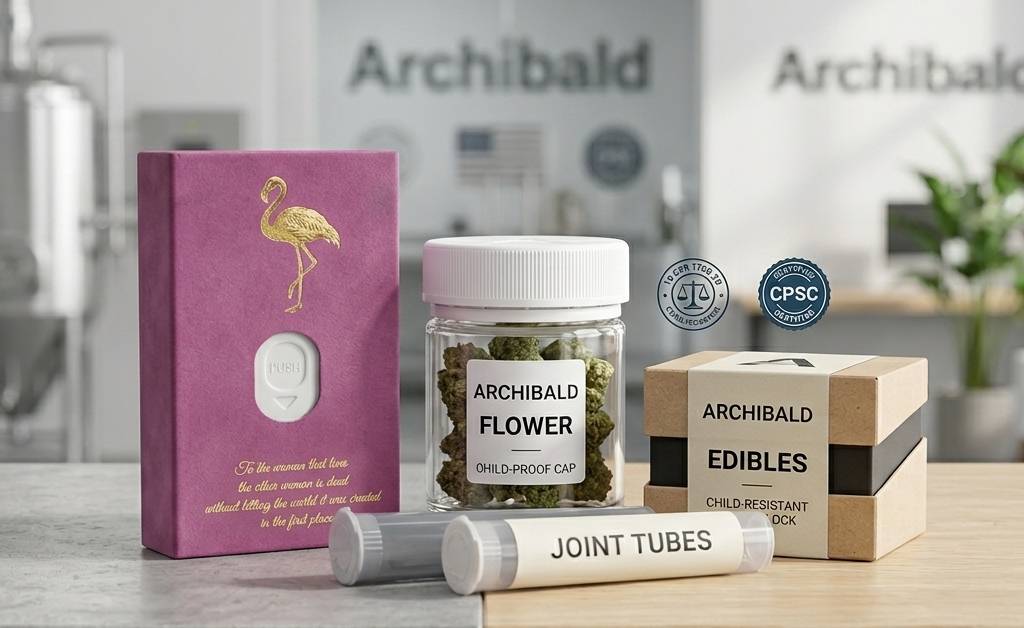
Child-Resistant & Tamper-Evident Closures: Caps need to meet CPSC/ASTM testing and state-level requirements.
-
Opaque and Sealed Jars: To comply with product concealment rules under many regional laws.
-
Clear Labeling: Include strain type, cannabinoid percentages, batch numbers, production/expiration dates, usage guidelines, and QR links to lab results.
-
Sustainability Standards: Consumers expect packaging made from recyclable glass or plastic, with some brands going further by using post-consumer recycled content.
3. Customization Options to Stand Out
To capture attention and build loyalty, here are impactful customization trends:
-
UV Protection & Color Variants: Amber, green, or opaque glass resists light; tinted plastics do the same while offering visual branding differentiation.
-
Caplinings & Induction Seals: Foam liners, induction seals, or tamper bands enhance freshness and trust.
-
Finish Textures: Matte, soft-touch, metallic or velvet finishes convey luxury and tactility.
-
Integrated Humidity Packs: Pre-loading jars with humidity stabilizers is becoming a standard practice.
-
Smart Labels & QR Codes: Enable access to lab test results, traceability, and product content—from strain to terpene data .
-
Eco-First Features: Emphasizing reusable jars, recyclable plastics, and plant-based inks attracts eco-conscious buyers.
Conclusion
Glass and plastic jars both have key roles in 2025 flower packaging: glass emphasizes purity and luxury; plastic offers lightweight durability and innovative design. Both formats must meet evolving regulations—like child-resistance, labeling clarity, and sustainability.
By investing in custom finishes, smart seals, UV protection, and traceable QR-enabled labels, your brand can gain consumer trust, meet compliance, and stand out in a growing market.
Ready to elevate your flower jar strategy? Visit our catalog to explore airtight glass and plastic jars with custom options designed to protect quality and amplify brand presence. Contact us today to request samples or pricing!
One-Stop Sustainable Marijuana Packaging Services
Eco-Friendly Guide: How to Recycle Weed Packaging the Right Way