How to Request Custom Packaging Samples
Before placing a bulk packaging order, requesting custom packaging samples is one of the most important steps in the custom packaging process. Learn more about our custom packaging solutions.
For small brands, growing retail brands, and private label projects, packaging samples can reduce trial costs and help avoid mistakes before committing to a large order.
This guide explains what information you should prepare when requesting custom packaging samples, and how to communicate clearly with your packaging supplier.
Why Are Custom Packaging Samples Important?
Custom packaging is not only about appearance. A finished package needs to match your product size, protect the product during shipping, support your branding, and meet your retail presentation needs.
A packaging sample allows you to check:
- Whether the size fits your product
- Whether the material feels right
- Whether the printing color matches your brand
- Whether the insert holds the product properly
- Whether the opening structure works smoothly
- Whether the surface finish looks premium enough
- Whether any details need adjustment before bulk production
Requesting custom packaging samples before mass production helps brands make better decisions with less risk.

1. Choose Your Product Type
The first step is to confirm what type of packaging you need.
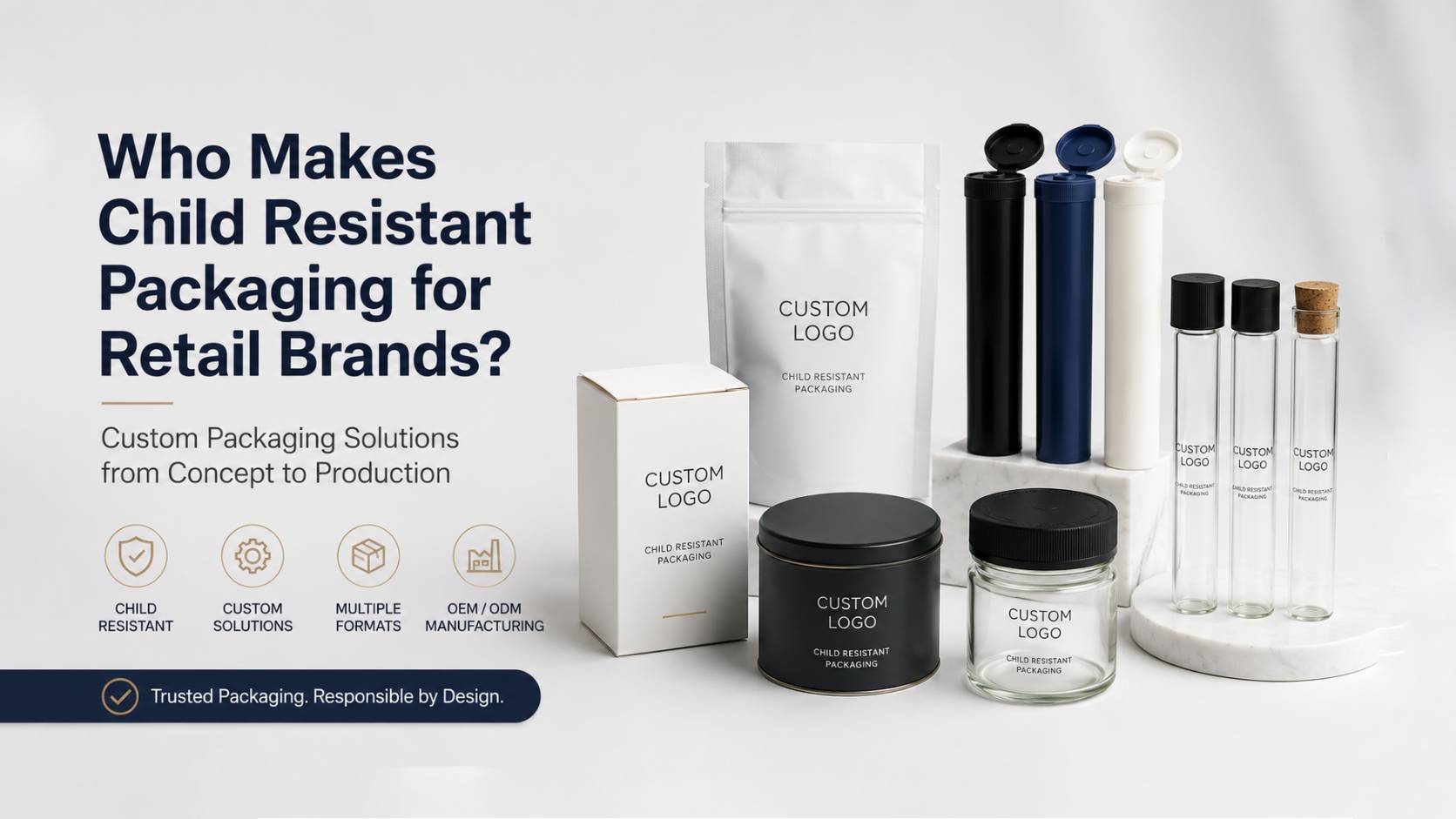
Different packaging products require different materials, structures, and production processes. For example, a mylar bag sample is different from a paper box sample, and a tin box sample is different from a glass jar packaging sample.
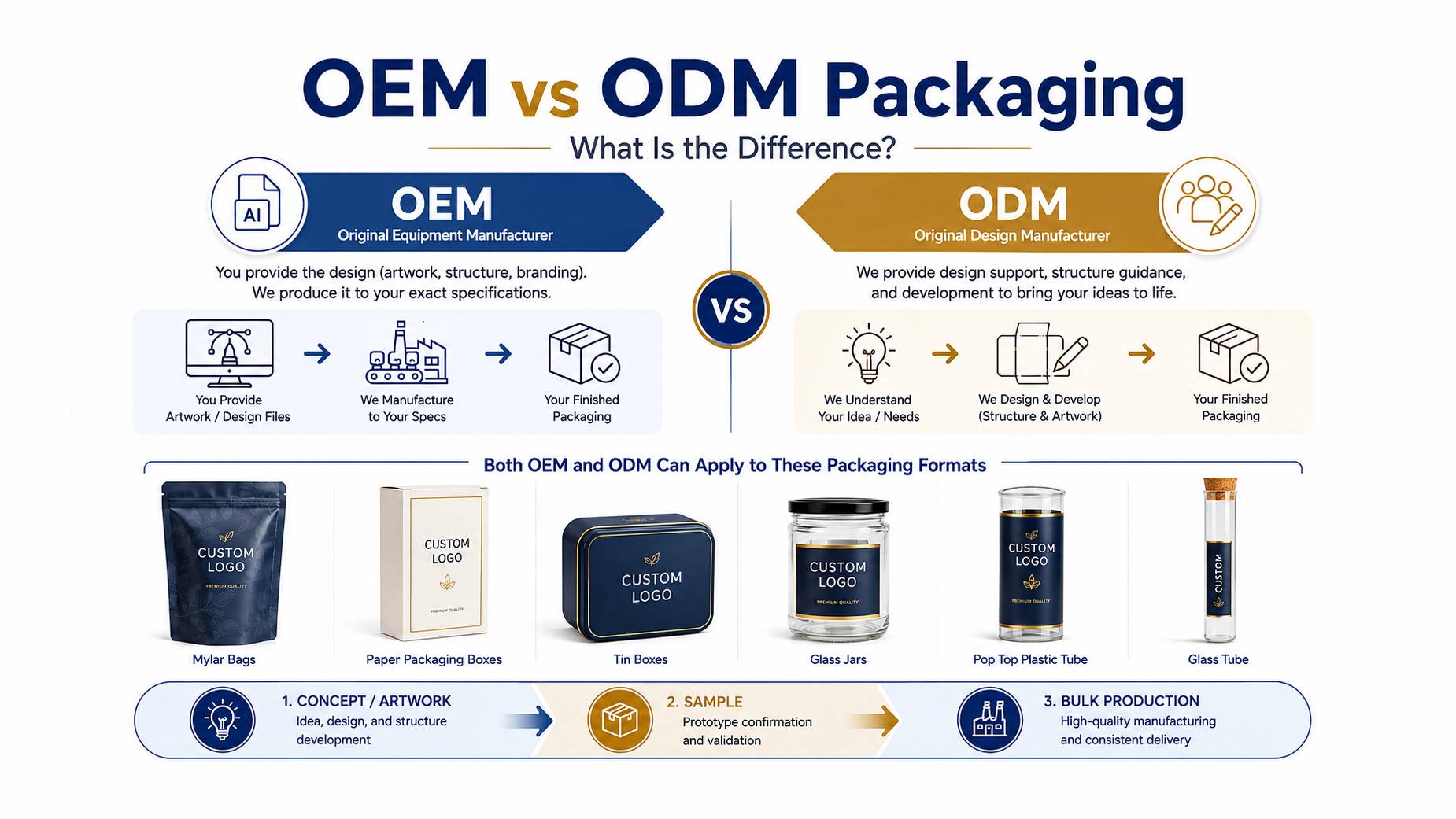
Common custom packaging types include:
- Mylar bags
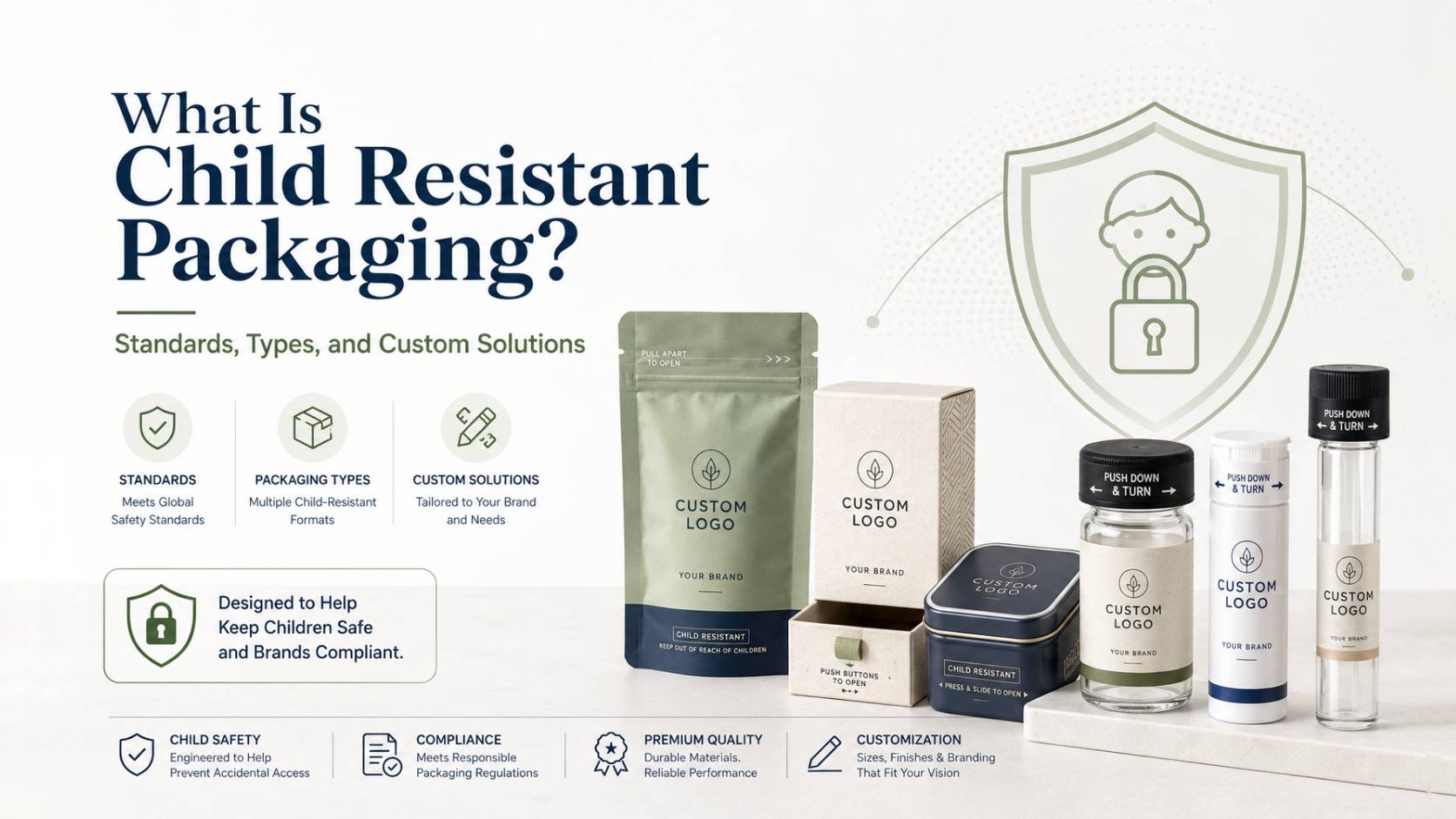
- Child-resistant packaging
- Paper packaging boxes
- Tin boxes
- Glass jars
- Plastic tubes
- Glass tubes
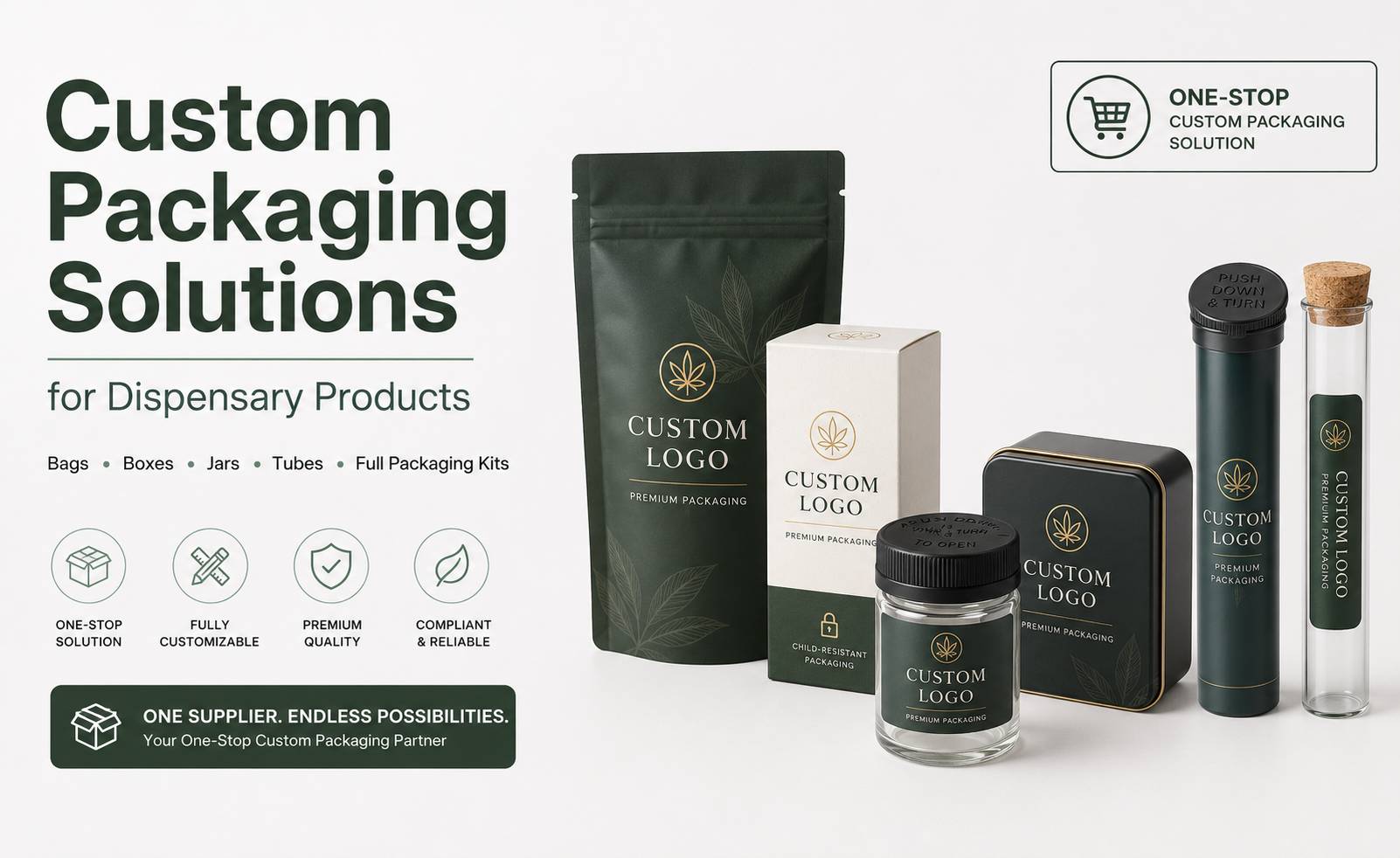
- Full packaging kits
- Display boxes
- Custom inserts
Before requesting custom packaging samples, tell your supplier what product you want to package and what packaging format you prefer.
For example:
We need a custom paper drawer box for a 5-pack product.
Or:
We need a smell proof mylar bag with custom printing and zipper closure.
The clearer your product type is, the faster your supplier can recommend a suitable sample plan.
2. Send Your Packaging Size
Size is one of the most important details in custom packaging.
If the packaging is too large, the product may move inside the box or bag. If the packaging is too small, the product may not fit properly. For packaging with inserts, size accuracy is even more important.
When requesting custom packaging samples, you can send:
- Product length
- Product width
- Product height
- Product diameter
- Product weight
- Existing sample size, if available
If you are not sure about the final packaging size, send your product dimensions to the supplier. A professional packaging manufacturer can help recommend a suitable box size, bag size, jar size, tube size, or insert structure.
Example:
Product size: 98mm length × 12mm diameter
Quantity per box: 5 pieces
We need a drawer box with insert.
This information helps the supplier create a more accurate sample.

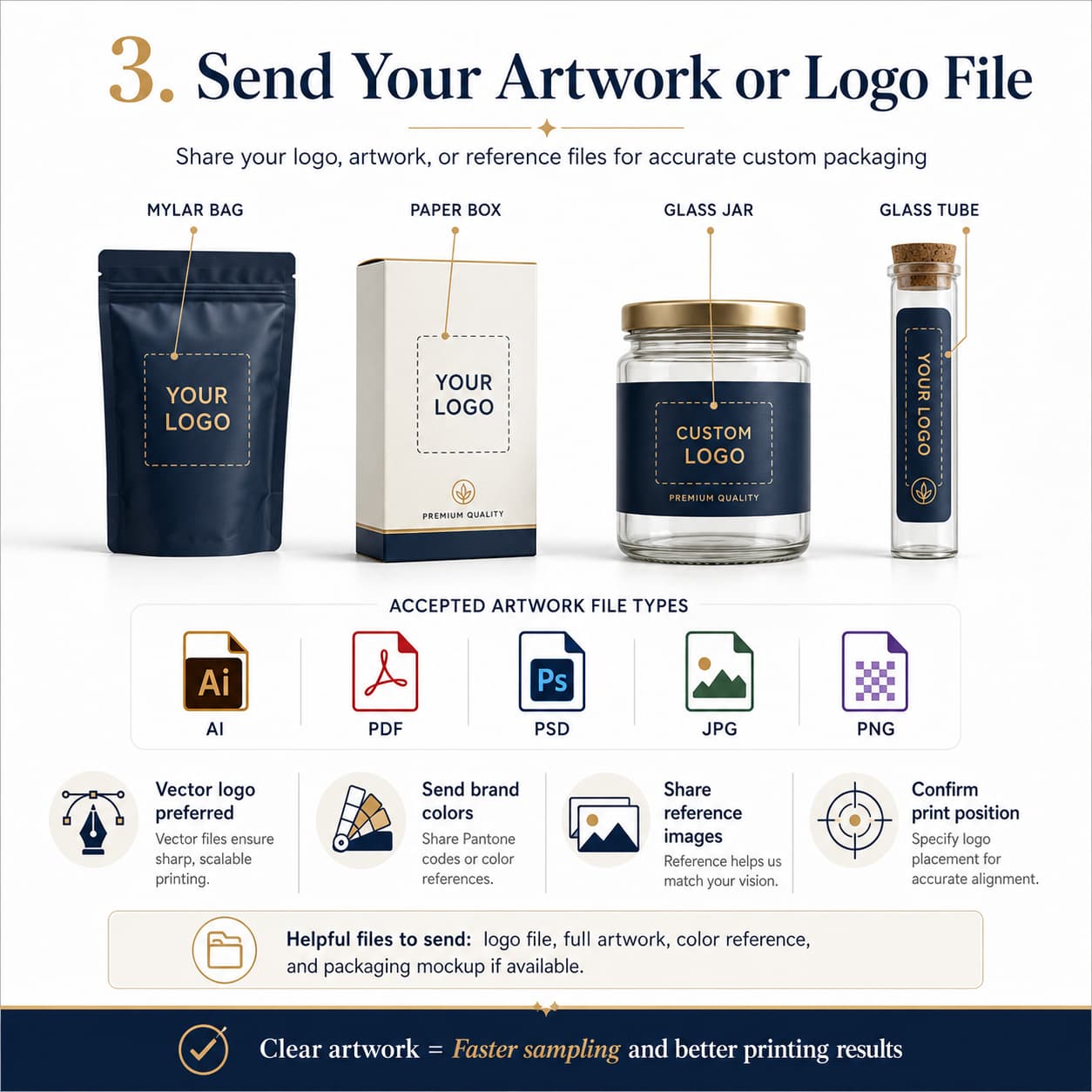
3. Send Your Artwork or Logo File
If you want branded packaging, artwork is necessary.
Your artwork helps the supplier check printing position, logo placement, color requirements, and design feasibility.
For custom packaging samples, recommended artwork files include:
- AI file
- PDF file
- PSD file
- EPS file
- High-resolution logo file
- Pantone color code
- Reference image
- Existing packaging photo
If you only have a rough idea, your supplier may help create a dieline or basic mockup first.
Artwork checking usually includes:
- Logo placement
- Printing area
- Text readability
- Bleed area
- Color matching
- Pattern alignment
- Dieline accuracy
4. Confirm Material
Different materials create different packaging effects.
Common material options include:
For Mylar Bags
- PET / AL / PE
- PET / VMPET / PE
- Kraft paper laminated film
- Clear window film
- Recyclable film options
For Paper Boxes
- Kraft paper
- Rigid board
- Coated paper
- Specialty paper
When requesting custom packaging samples, tell your supplier whether you care more about cost, premium appearance, eco-friendly material, product protection, or retail display effect.
Example: We want an eco-friendly paper box with a custom paper insert.

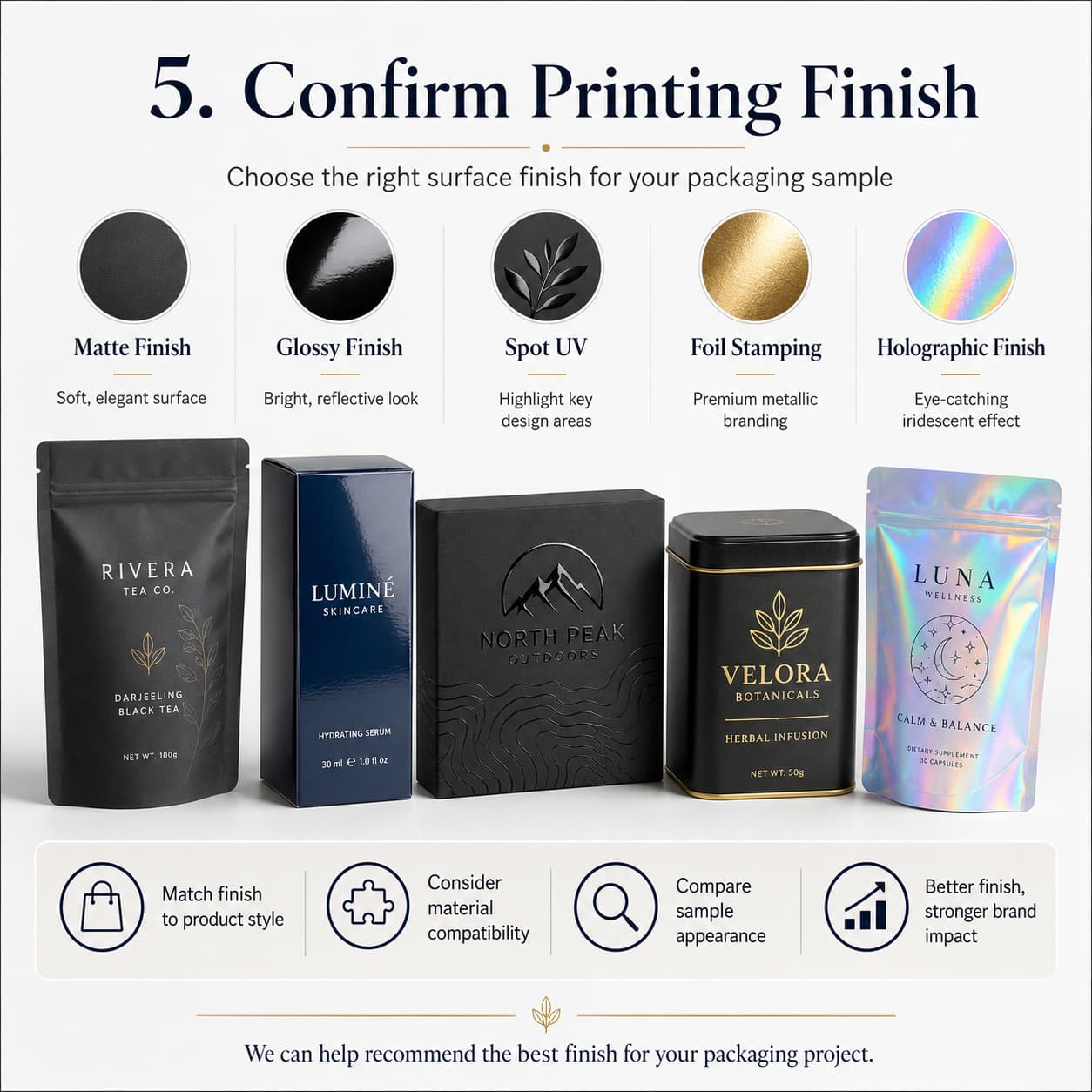
5. Confirm Printing Finish
Common printing and finishing options include:
- Matte lamination
- Glossy lamination
- Spot UV
- Foil stamping
- Embossing
- Debossing
- Soft-touch finish
- Holographic effect
Before producing custom packaging samples, confirm whether you need a basic sample or a fully printed sample.
There are usually two types of samples:
Structure Sample
Used to check:
- Size/Structure/Insert fit/Opening function/Material thickness
This sample may not include full printing.
Printed Sample
Used to check:
- Color/Logo/Artwork/Finish/Retail appearance
A printed sample is more suitable when you want to confirm the final visual effect before mass production.
6. Confirm Quantity
Quantity affects sample planning, production method, and bulk order cost.
When requesting custom packaging samples, it is helpful to provide both:
- Sample quantity
- Estimated bulk order quantity
For example:
We need 3–5 samples first. If approved, the first bulk order may be 1,000 pcs.
Or:
We are testing 2 designs and plan to order 500–2,000 pcs after sample confirmation.
This helps the supplier recommend the right printing method and production plan.
For example:
- Small batch testing may be suitable for digital printing.
- Larger repeated orders may be better for gravure or offset-style printing.
- Complex packaging structures may need more sample development time.
MOQ depends on product type, material, printing method, and customization requirements. That is why providing quantity information early helps avoid wrong quotations.

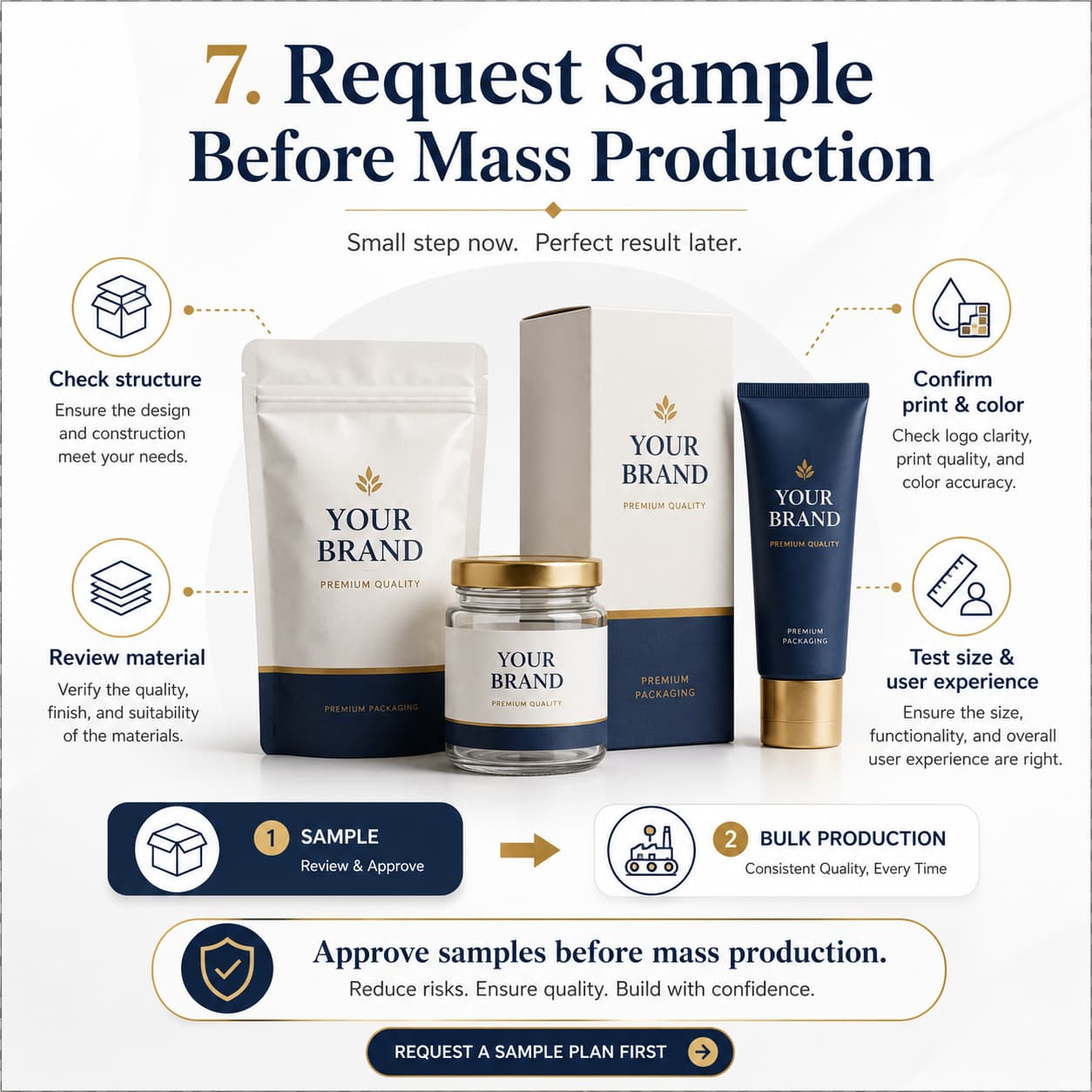
7. Request Sample Before Mass Production
Before mass production, a sample should be reviewed carefully.
When you receive the sample, check:
Size and Fit
Does the product fit inside the packaging properly?
Structure
Does the box, bag, jar, tube, or insert work as expected?
Material
Does the material feel strong enough and match your brand positioning?
Printing
Are the colors, logo, text, and artwork clear?
Finish
Does the matte, glossy, foil, spot UV, or embossing effect look correct?
User Experience
Is the packaging easy to open, close, store, and display?
If something needs adjustment, communicate the issue clearly with photos or notes. Sample adjustment is a normal part of custom packaging development.
Common Mistakes When Requesting Packaging Samples
Only Sending a Picture
A reference image is useful, but it is not enough. You still need size, quantity, material, and printing requirements.
Not Confirming Product Size
Without product dimensions, the supplier cannot recommend accurate packaging size or insert structure.
Ignoring Bulk Quantity
Sample method and bulk production method may be different. Estimated order quantity helps the supplier recommend a practical solution.
Asking for the Cheapest Option Only
The lowest-cost sample may not match your retail positioning. It is better to balance cost, quality, structure, and brand presentation.
Skipping Sample Approval
Moving directly into mass production without checking samples can create unnecessary risk.
FAQ
Can I request custom packaging samples before bulk production?
Yes. Requesting custom packaging samples before mass production is recommended. Samples help confirm size, structure, material, printing quality, and product fit.
What should I send to request a packaging sample?
You should send your packaging type, product size, quantity, artwork, material preference, printing finish, and delivery country.
Can I get a sample without final artwork?
Yes. If your artwork is not ready, you can request a blank structure sample first to check size, insert fit, and packaging function.
What is the difference between a blank sample and a printed sample?
A blank sample is mainly used to check structure and size. A printed sample is used to confirm artwork, color, logo placement, and surface finish.
How long does it take to make custom packaging samples?
Sample time depends on packaging type, structure, material, and printing requirements. Simple structure samples are usually faster than fully printed custom samples.
Does MOQ affect sample planning?
Yes. MOQ depends on product type, material, printing method, and customization requirements. Sharing your estimated order quantity helps the supplier recommend a suitable production plan.
Conclusion: Start with Samples, Then Move to Bulk Production
Requesting samples is a practical way to reduce risk before placing a bulk packaging order.
For small brands, sample testing helps confirm the right size, material, printing effect, and packaging structure before investing in mass production. For growing brands, samples help maintain consistency across different packaging formats and product lines.
Whether you need mylar bags, paper boxes, tin boxes, glass jars, tubes, child-resistant packaging, or full packaging kits, a clear sample request can make the custom packaging process faster and more efficient.
Send your size, quantity, artwork, and delivery country to get a sample plan before mass production.
How Long Does Custom Packaging Production Take
Low MOQ Custom Packaging: How Small Brands Can Start with Custom Packaging