How Do Child-Resistant Packaging Mechanisms Work?
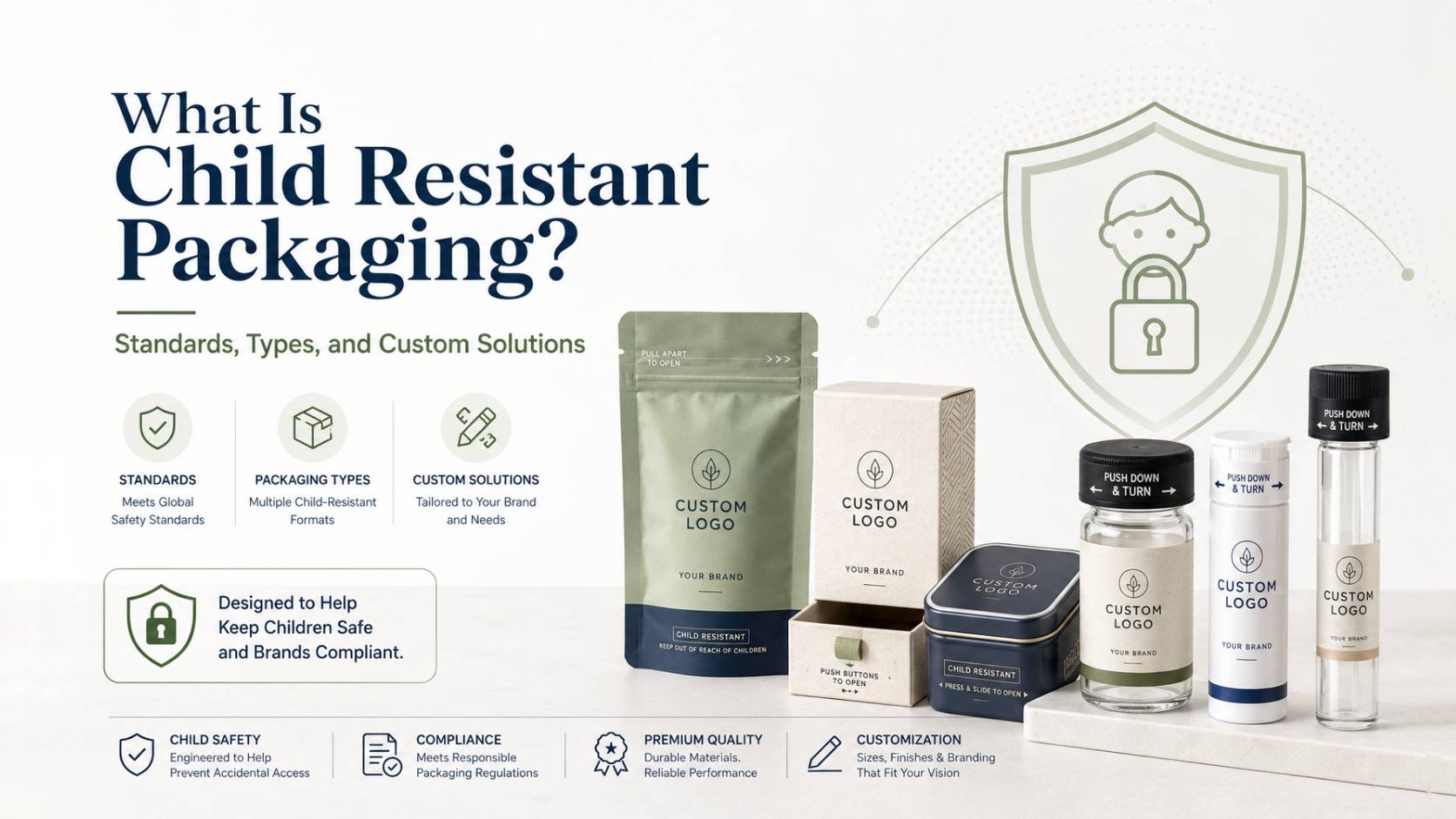
Child-resistant packaging mechanisms work by requiring a specific combination of actions, pressure, or movement to open a container. Unlike ordinary packaging, these designs make access more difficult for young children while remaining usable by adults. Common mechanisms include push-and-turn caps, squeeze-and-turn closures, child-resistant zippers, button-lock boxes, slide-lock structures, and specialized pop-top tubes. Their effectiveness depends on the complete packaging design and its ability to meet applicable child-resistant testing requirements.
For cannabis brands and dispensaries, understanding how these mechanisms work is essential when selecting suitable packaging for flower, pre-rolls, edibles, and concentrates.
1. Common Types of Child-Resistant Packaging Mechanisms
Different packaging formats use different locking structures. Here are six common mechanisms and how they function.
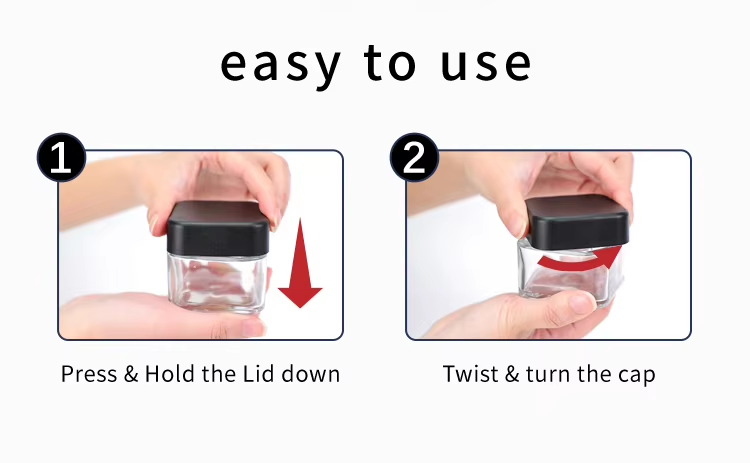
Push-and-Turn Mechanism
Push-and-turn closures require users to apply downward pressure while rotating the cap. The internal locking structure prevents the lid from turning freely unless the required actions are performed together.
This mechanism is commonly used for child-resistant glass jars and plastic containers.
Squeeze-and-Turn Mechanism
Squeeze-and-turn closures require pressure on designated areas of the cap while rotating it. The combined movement releases the locking mechanism.
This design is available for selected bottle and container closures, offering an alternative to conventional screw caps.
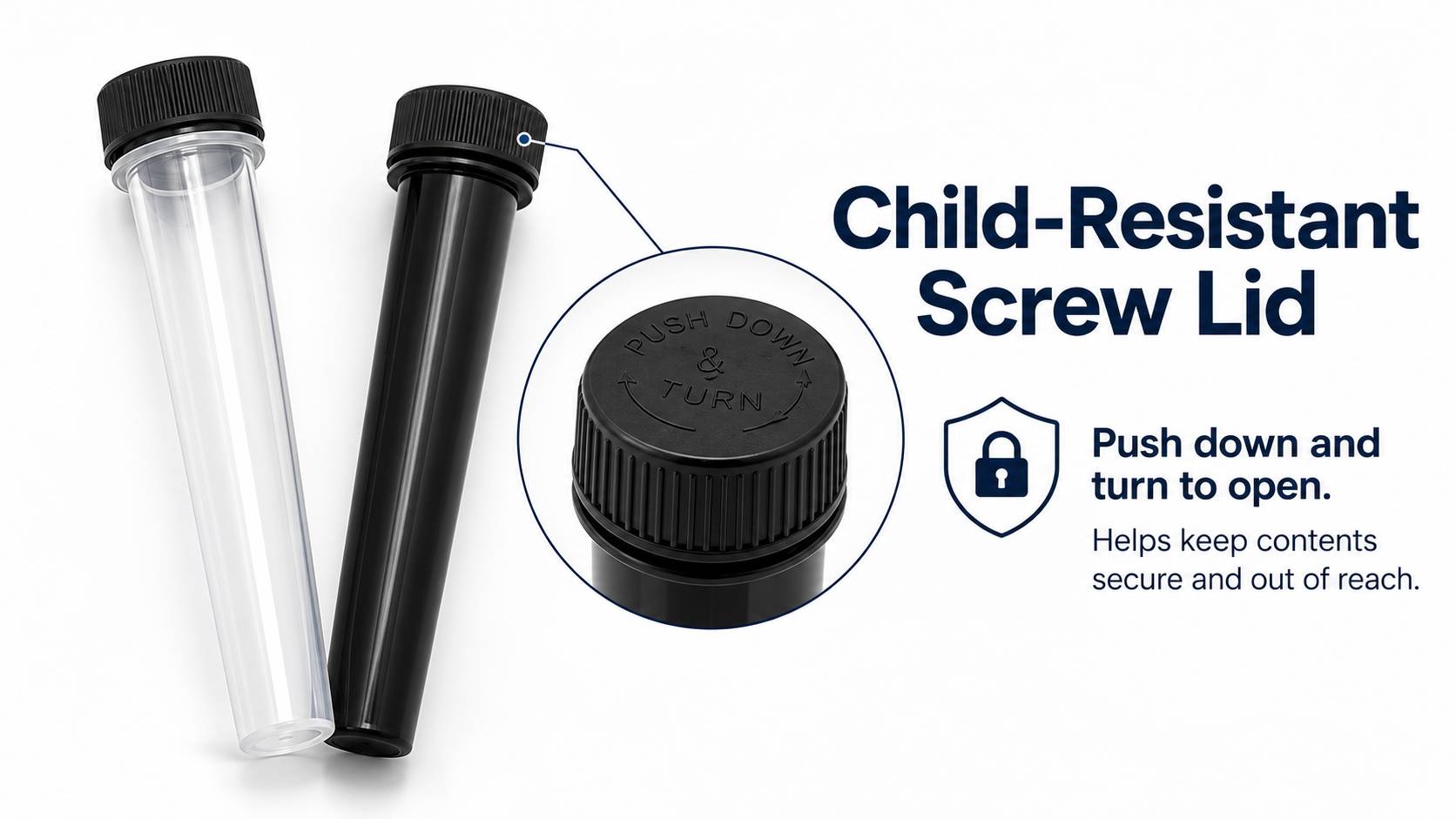
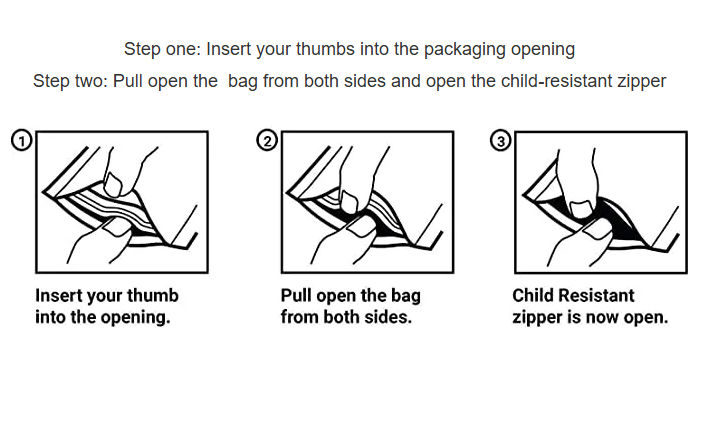
Child-Resistant Zipper Mechanism
Child-resistant Mylar bags use specialized zipper structures that require a particular pressing, pinching, or sliding action to open.
Unlike ordinary resealable zippers, these designs incorporate additional opening resistance to make access more difficult for young children.
They are commonly used for flexible cannabis packaging, including flower and edible pouches.
Button-Lock Mechanism
Button-lock paper boxes use integrated locking components that prevent the drawer or opening section from sliding freely.
The user must press designated release points while operating the box structure to access its contents.
This mechanism is suitable for selected custom paper boxes and premium retail packaging.
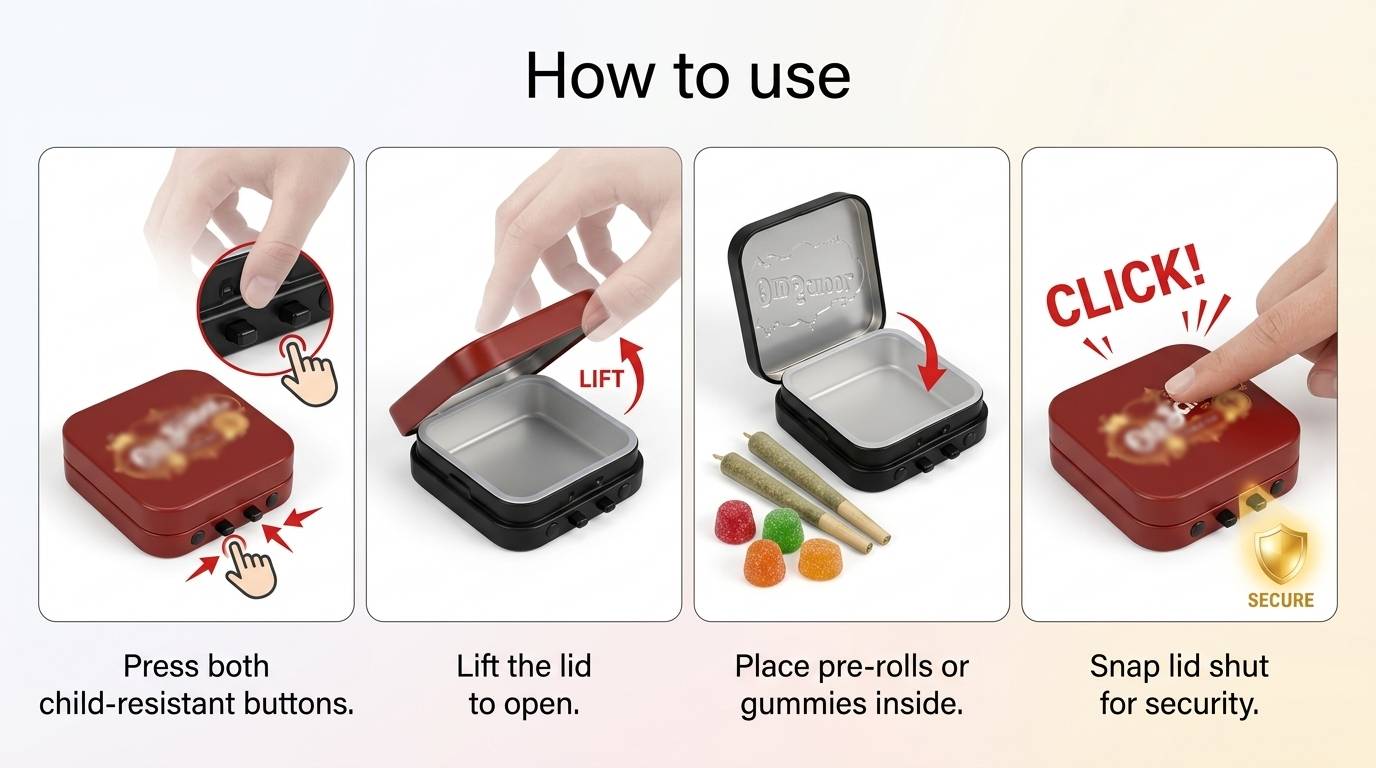
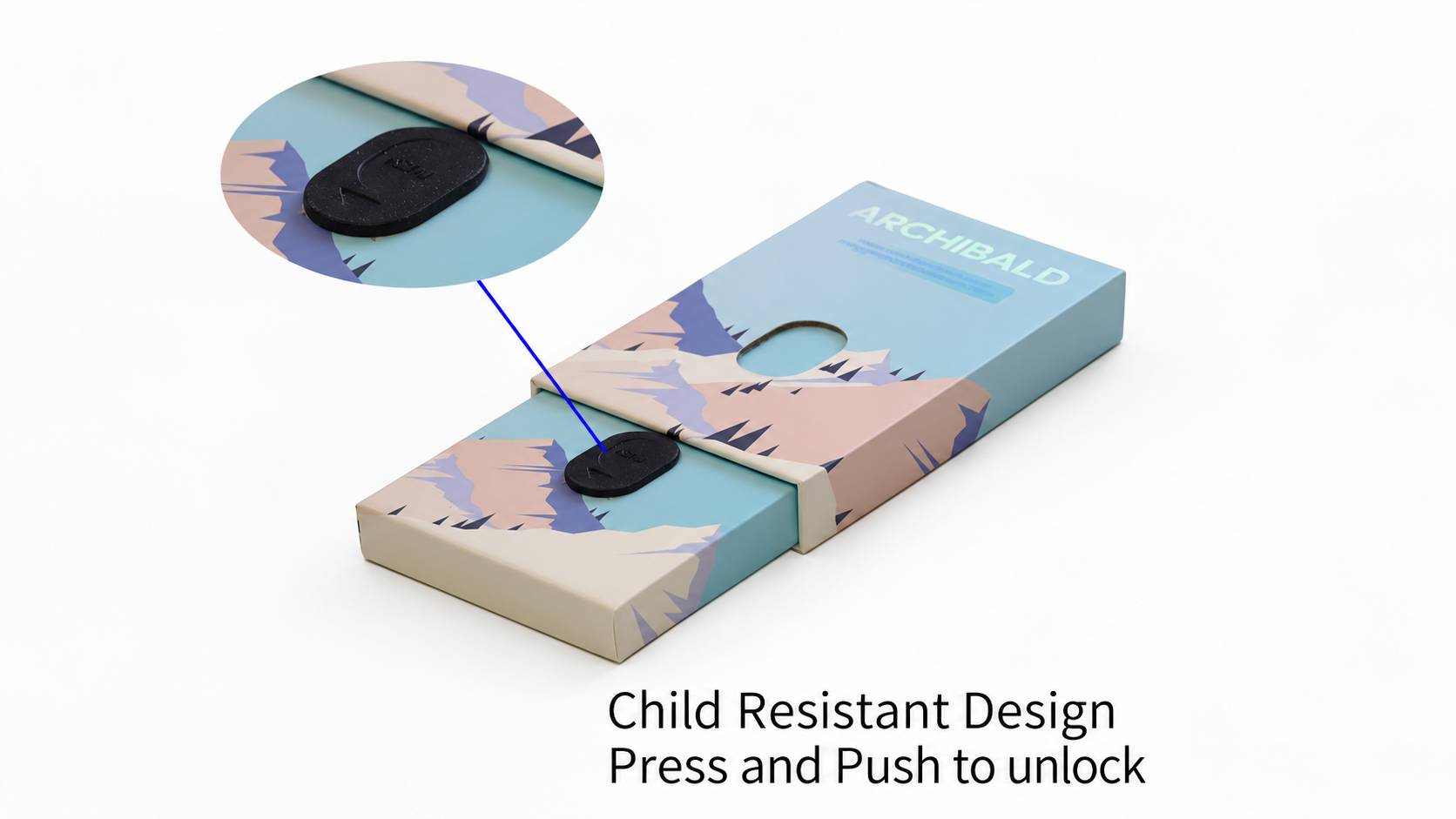
Slide-Lock Mechanism
Slide-lock packaging incorporates locking tabs or other release components that restrict the movement of a sliding section.
Depending on the design, users must operate the release mechanism before opening the drawer or sliding compartment.
These structures are commonly considered for custom drawer boxes and selected tin packaging designs.
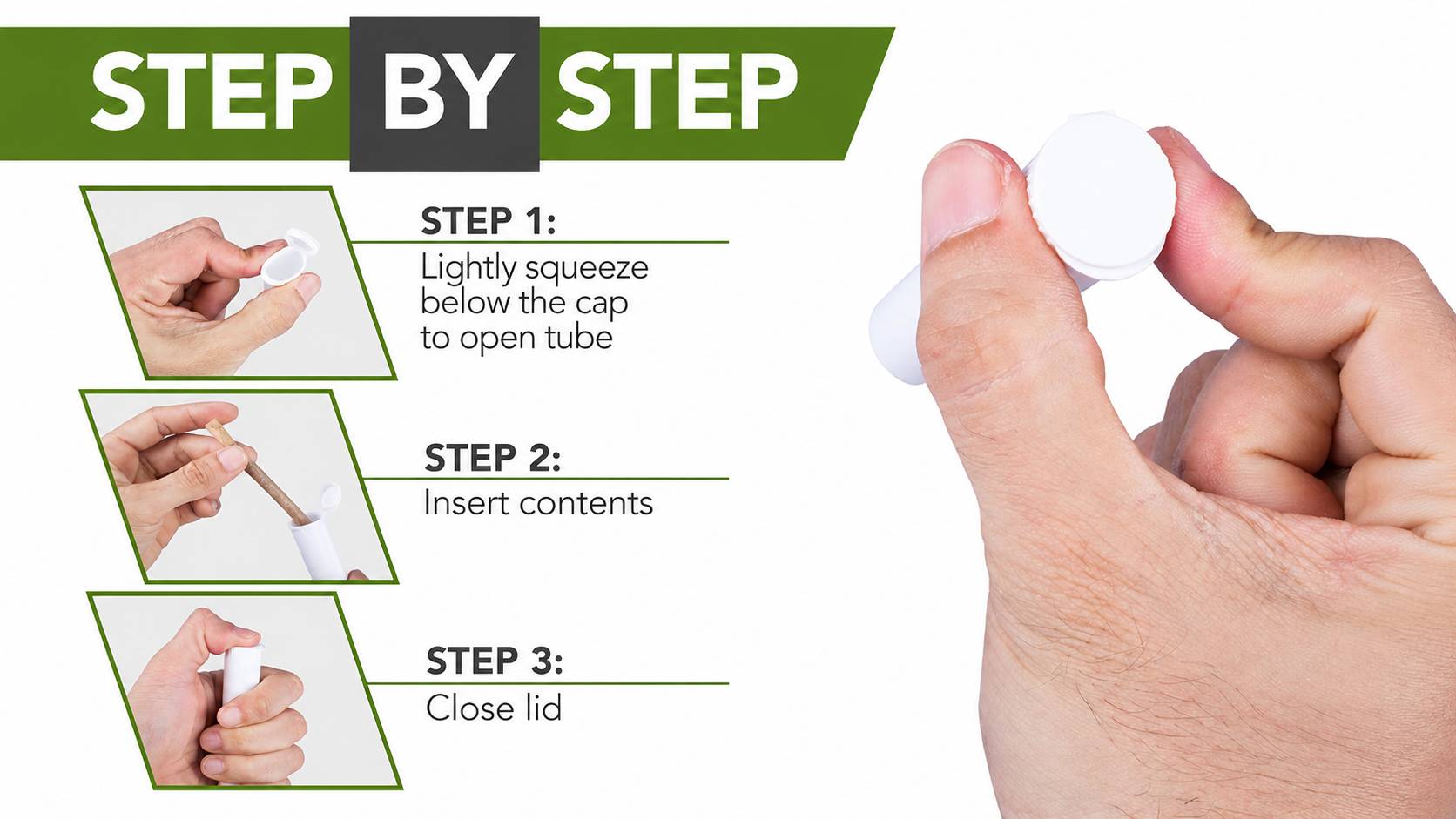
Child-Resistant Pop-Top Mechanism
Some plastic tubes incorporate specialized pop-top closures that require a particular combination of pressure and movement to open.
However, ordinary pop-top tubes should not automatically be considered child-resistant. Only appropriately designed and tested structures should be described as child-resistant packaging.
2. Why Do Child-Resistant Mechanisms Need Testing?
A locking mechanism alone does not guarantee that a package is child-resistant.
In regulated markets, the complete packaging system may need to undergo testing involving both child and adult users.
For example, U.S. child-resistant packaging requirements under 16 CFR § 1700.20 evaluate whether young children can open the package and whether adults can access and properly reclose it.
Important considerations include:
-
Child Resistance: The package must provide the required resistance to opening by young children.
-
Adult Accessibility: Adults should be able to understand and operate the opening mechanism.
-
Reclosure Performance: Applicable requirements may include maintaining child-resistant functionality after repeated opening and closing.
-
Package Consistency: The tested design should correspond to the actual packaging supplied.
Child-resistant packaging is not completely childproof. Testing and applicable documentation are essential before making compliance claims.
3. How to Choose the Right Child-Resistant Mechanism
The best mechanism depends on the packaging format, product dimensions, opening experience, and target market.
-
Mylar Bags: Consider specialized child-resistant zipper structures for flexible packaging.
-
Glass Jars: Push-and-turn closures are commonly used for rigid containers.
-
Plastic Tubes: Selected child-resistant pop-top and screw-cap structures offer compact packaging options.
-
Paper Boxes: Button-lock and specialized drawer structures provide additional opening resistance.
-
Tin Boxes: Selected locking mechanisms can be incorporated into custom metal packaging.
Buyers should evaluate product fit, closure functionality, ease of use, and applicable testing requirements before selecting a design.
4. Custom Child-Resistant Packaging Solutions from Archibald
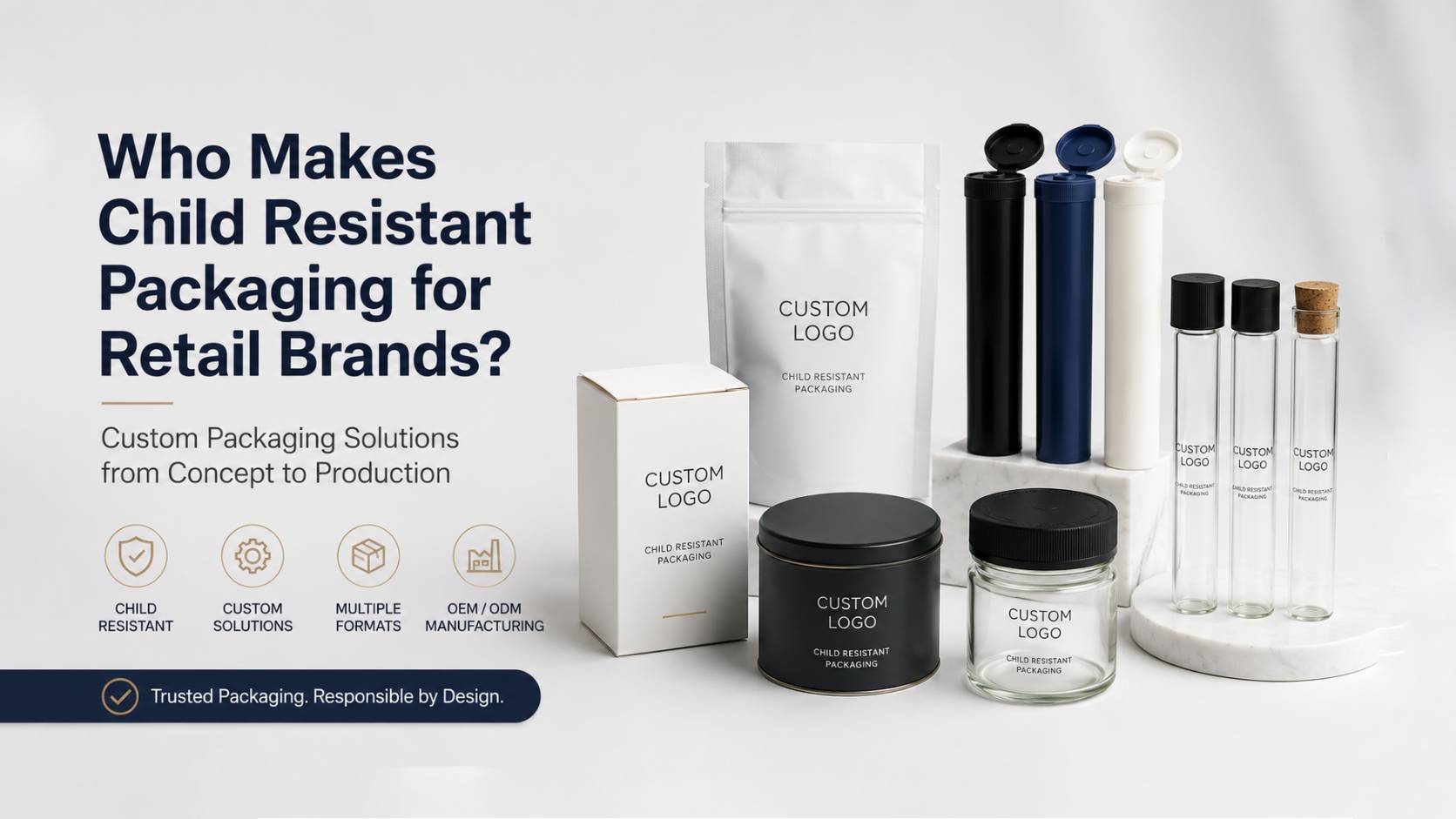
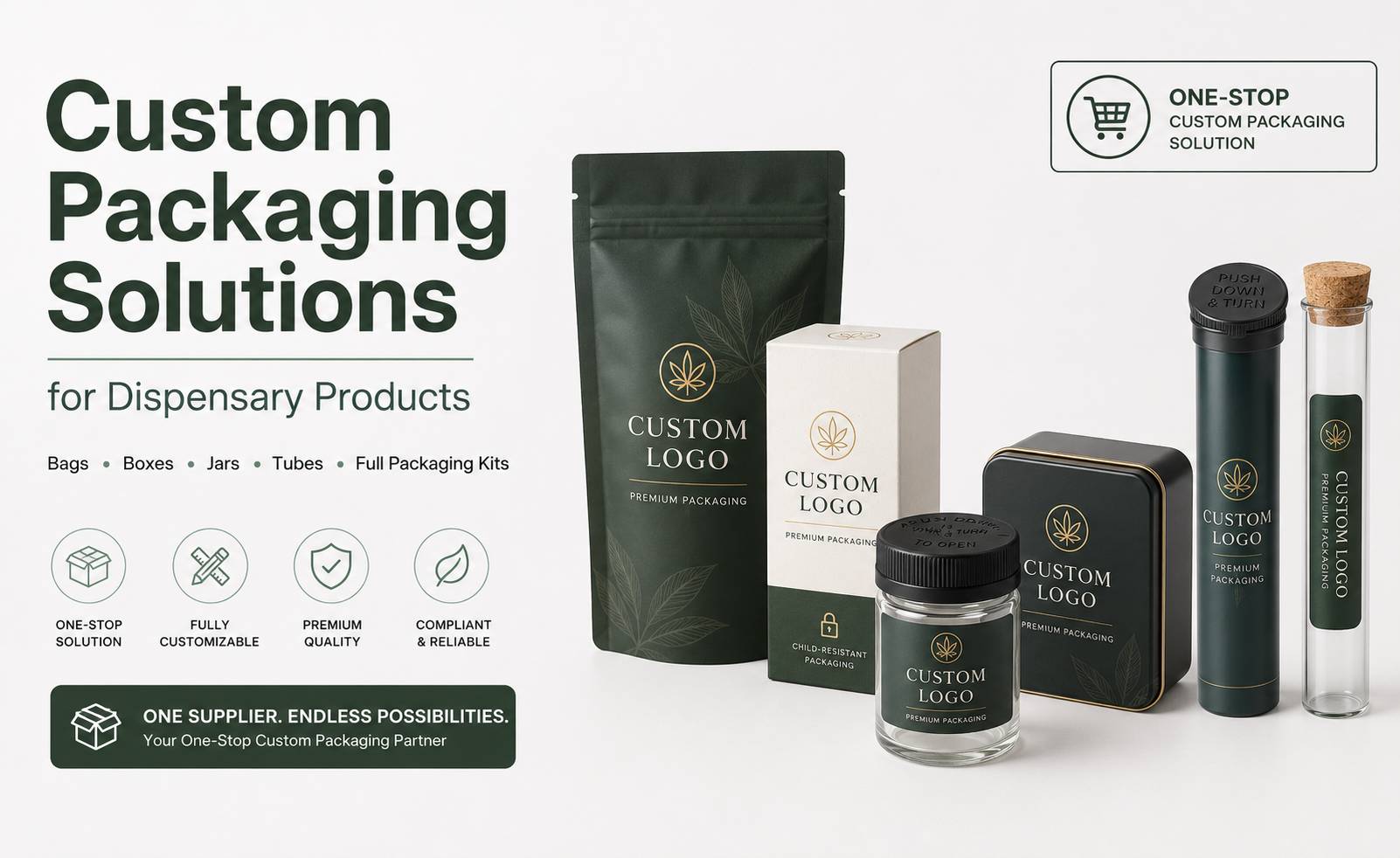
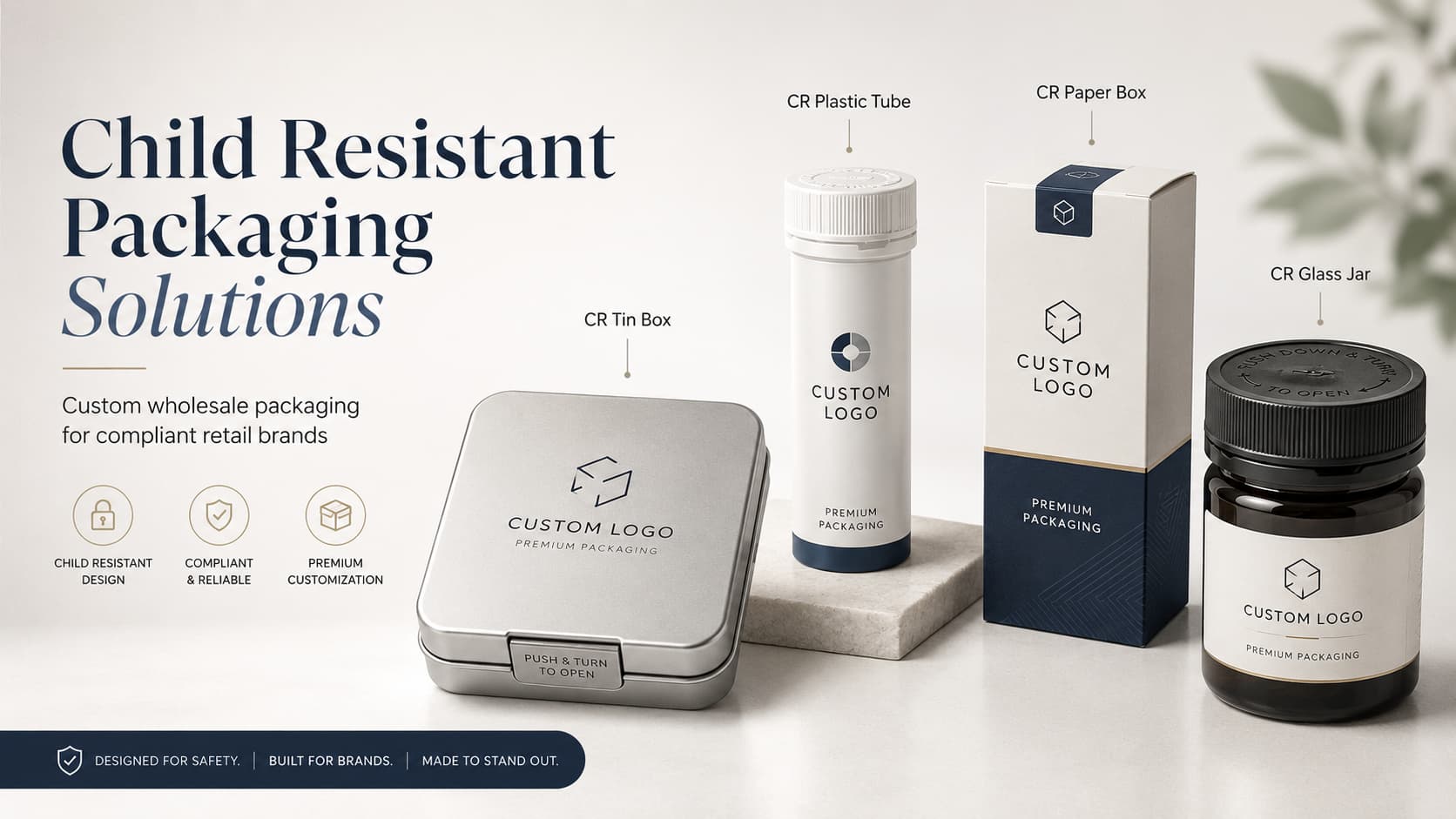
Archibald provides customizable child-resistant packaging options for cannabis brands, dispensaries, and wholesale buyers.
Our product range includes:
-
Child-resistant Mylar bags with specialized zipper options
-
Glass jars with selected push-and-turn caps
-
Plastic tubes with different closure structures
-
Custom paper boxes with button-lock and drawer designs
-
Tin boxes with selected locking mechanisms
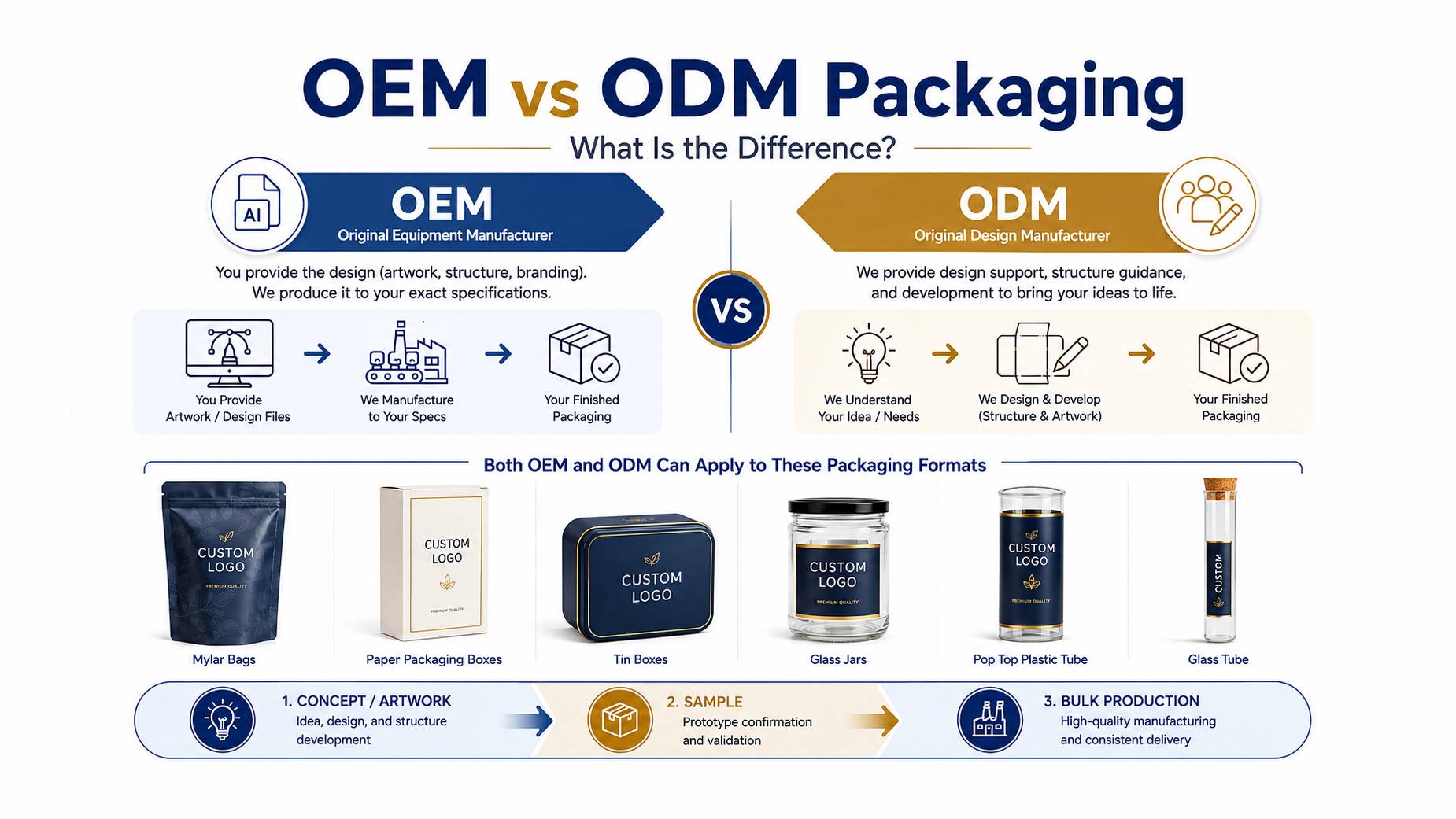
We also support custom dimensions, logo printing, material selection, packaging artwork, and sample development.
This allows brands to evaluate packaging structures and visual designs before confirming bulk production.
FAQ
Q1. Are all child-resistant packaging mechanisms the same?
A : No. Different packaging formats use different mechanisms, including push-and-turn caps, specialized zippers, button locks, and sliding structures. Their functionality depends on the specific design.
Q2. Does a child-resistant closure automatically make the entire package compliant?
A : No. The complete packaging system must meet applicable testing requirements. A closure mechanism alone does not guarantee compliance.
Q3. Can child-resistant packaging be customized with a brand logo?
A : Yes. Archibald supports custom printing, colors, sizes, and selected decorative finishes across different child-resistant packaging formats.
Q4. Does Archibald provide samples of child-resistant packaging?
A : Yes. Buyers can request samples to evaluate dimensions, opening mechanisms, material quality, and overall packaging appearance before bulk production.
Conclusion
Child-resistant packaging mechanisms use specialized opening structures to make accidental access more difficult for young children while maintaining usability for adults.
From push-and-turn glass jar caps to child-resistant Mylar zippers and button-lock paper boxes, each mechanism offers different design possibilities.
Understanding these differences helps brands select packaging that balances functionality, product presentation, and applicable safety requirements.
Contact Archibald to explore custom child-resistant packaging options and request samples.